

Belgium
Can´t let go
A garment featuring a sculpted front volume integrating a papier-mâché drawing of a child, created during participatory workshops. The piece translates collective emotional explorations around mental vulnerability into textile form. Through sculptural volume, lace, knots, and layered textures, it reflects shifting states of mind. Developed over months in a shared creative space, it embodies a process shaped by time, dialogue, and community.
This garment was created through collaborative workshops exploring emotions, mental health, and vulnerability. It transforms participants’ drawings into sculptural textile forms, using traditional techniques like lace and knotting in a contemporary way. The piece highlights collective creativity, emotional storytelling, and sustainability through upcycled materials and handmade processes.
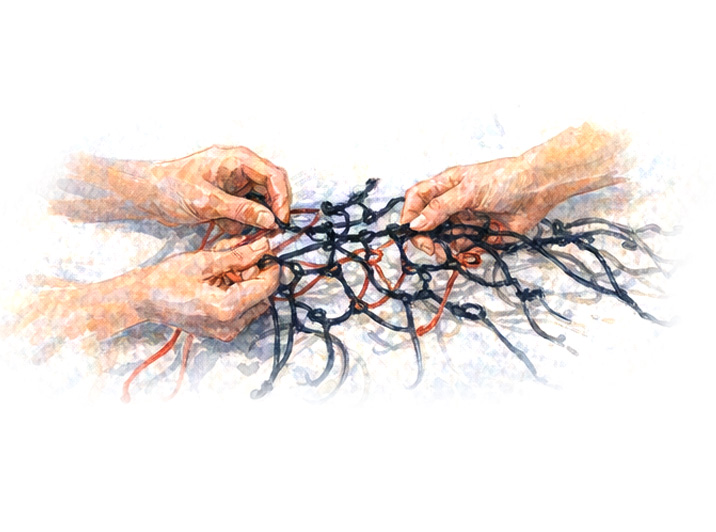
The piece connects to local cultural heritage through the use of traditional textile techniques such as bobbin lace and hand-based craft practices. These techniques are reinterpreted in a contemporary, conceptual context, where craftsmanship becomes a language for expressing emotional and psychological experiences. By combining participatory creation, traditional methods, and sculptural fashion, the garment bridges heritage and contemporary social themes. The collaborative approach reflects community-based cultural practices, while the reinterpretation of lace, knots, and textile manipulation situates the work within a modern narrative addressing mental health, care, and collective creativity.
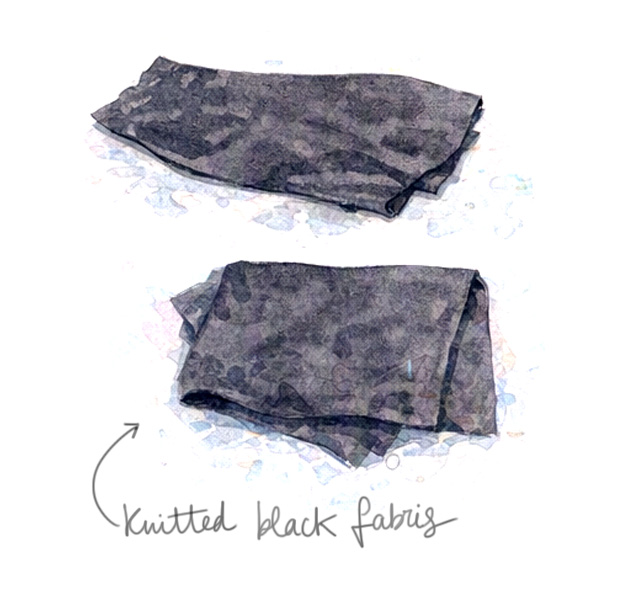
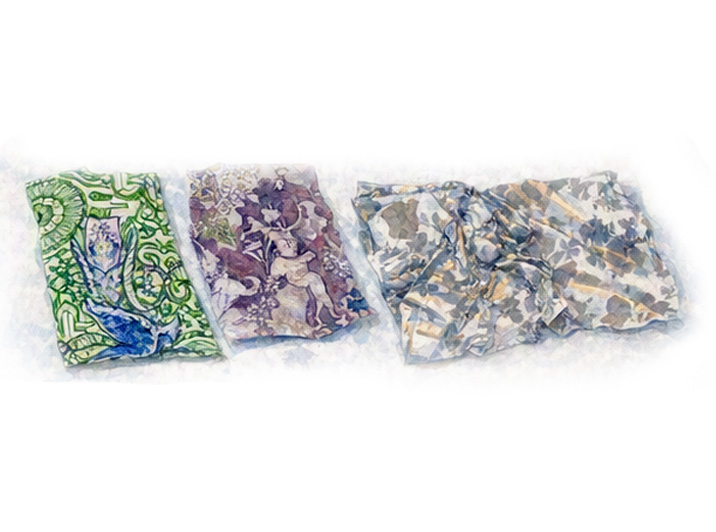
The garment is created using resourced materials, primarily leftover yarns and textile waste collected from textile companies. These materials include surplus threads, ropes, and various yarns that would otherwise be discarded.


The process
The garment was developed over several months, allowing ideas and forms to evolve organically. Initial workshop experiments in drawing and textile manipulation were translated into sculptural garment elements. The central volume was shaped on the body, creating a three-dimensional form that holds the papier-mâché drawing. Techniques such as bobbin lace, rope knotting, and layered yarn work were integrated to represent different emotional states. The process combined manual craftsmanship, experimentation with materials, and collaborative input. Working in a shared space introduced unexpected influences and spontaneous interactions, which shaped the garment’s development and conceptual depth.
Our Team
The whole is much more than the sum of it’s part. Meet our team!
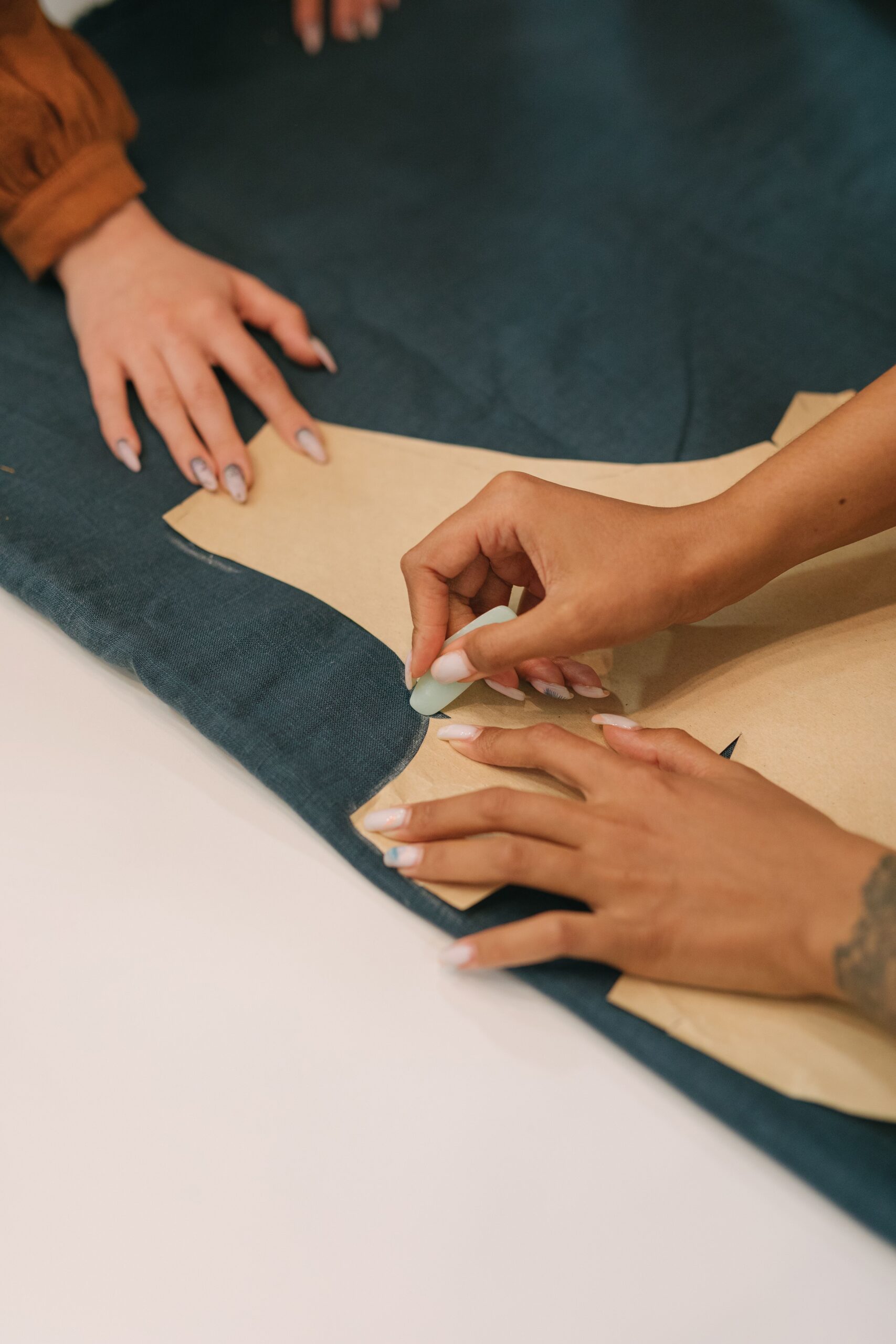
Users Participating in the project
Jonathan, George

Louise Limontas
SUPERVISOR
Louise Limontas is a Brussels-based textile designer and artist. With experience in both industrial and craft textile techniques—such as weaving, knitting, printing, embroidery, rope-making, and lace-making—she explores their boundaries and potential fusions. Using yarns as a narrative base, her work focuses on the body and the home through textiles, revealing the intimate connection between them. Her practice is rooted in material sensitivity and sustainability, frequently using resourced materials, including leftover yarns and textile waste from companies. By recontextualizing these discarded materials, she develops tactile, sculptural pieces that reflect on care, transformation, and the emotional dimensions of everyday environments.


With the support of the Creative Europe Programme of the European Union
Funded by the European Union. Views and opinions expressed are however those of the author(s) only and do not necessarily reflect those of the European Union or the European Education and Culture Executive Agency (EACEA). Neither the European Union nor EACEA can be held responsible for them.