

Belgium
Coiffe
A headpiece constructed from reclaimed champagne wire caps (muselets), reshaped and assembled into a human-scale structure. Originally designed to protect bottle corks, the material is transformed into a delicate protective veil-like form for the head. Combined with embroidered tulle, it creates transparency and light volume, oscillating between mask and veil.
This sculptural headpiece transforms reclaimed champagne muselet wires into a form shaped around the head. Combined with embroidered tulle, it contrasts rigid metal and soft transparency to explore protection, fragility, and identity. Developed through collective experimentation, the piece reinterprets industrial materials into a contemporary object.
The piece reinterprets an everyday industrial object tied to wine production and celebration into a contemporary textile and wearable form. By reusing champagne muselet wires, it connects industrial heritage with craft-based transformation. The notion of “coiffe” links historical traditions of head coverings—such as veils, masks, and ceremonial headpieces—with a contemporary sculptural reinterpretation. Through this transformation, the work reflects on protection, identity, and fragility, while engaging with sustainable practices of reuse and material revaluation.
The piece incorporates handwoven textiles, embroidery threads, printed fabrics, and resourced textile materials collected throughout the project. Various yarns and fabrics used during the weaving and transformation processes originated from leftover or surplus textile materials whenever possible. The garment was developed through slow and collective textile processes centered around handweaving, embroidery, and manual fabric transformation techniques. Existing materials and textile leftovers were prioritized to support reuse and reduce waste. The project emphasizes craftsmanship, experimentation, and low-impact making processes.

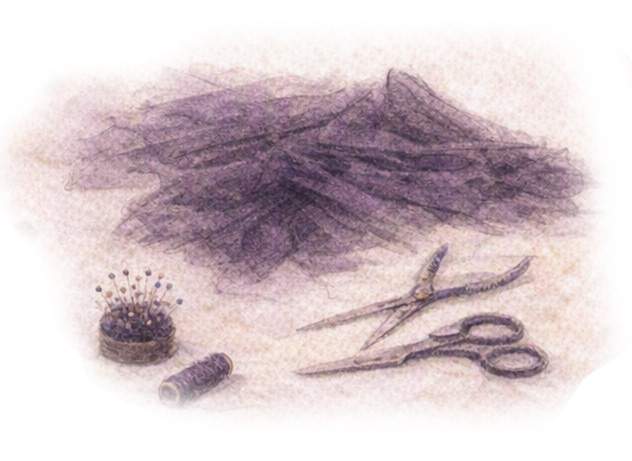
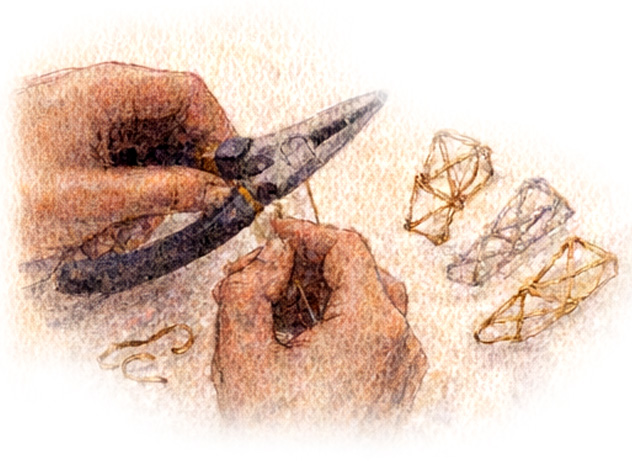
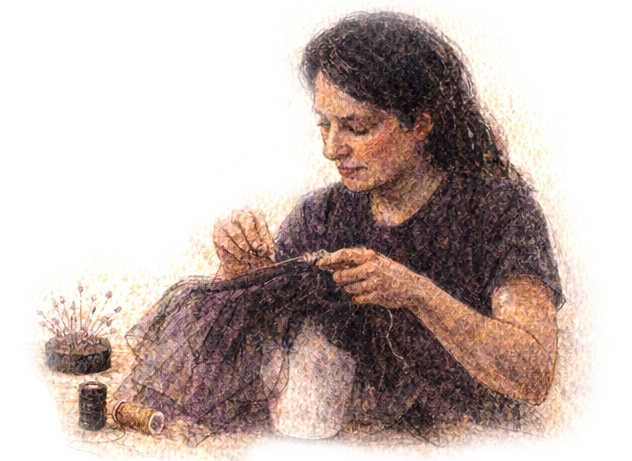
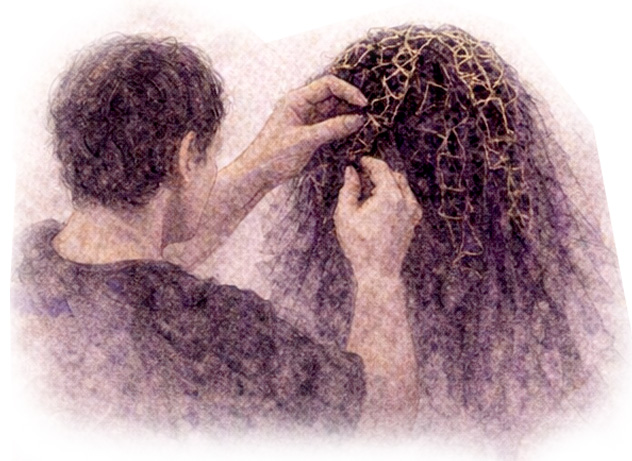

The process
The muselet wires were flattened, reshaped, and reassembled manually into a new structure that follows and responds to the shape of the head. The process involved repetitive handwork, allowing the material to lose its original industrial rigidity and become flexible and expressive. The headpiece was further developed through embroidery on a mix of tulle, adding softness, transparency, and slight volume. The contrast between rigid metal and delicate textile creates tension between protection and exposure. Workshop participants contributed to the material exploration phase, reinforcing a collective and experimental approach to making.
Our Team
The whole is much more than the sum of it’s part. Meet our team!
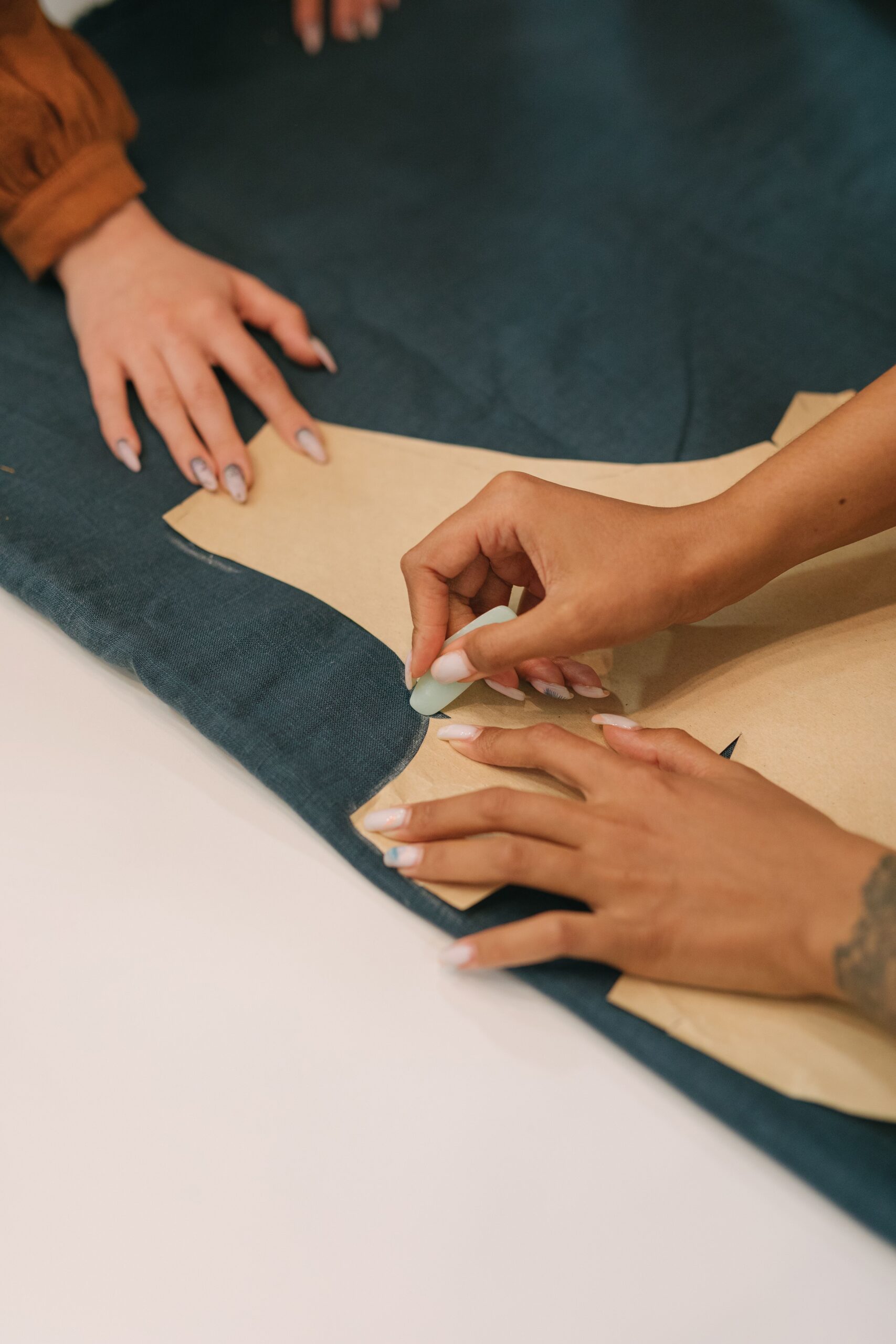
Users Participating in the project
Mouad, Jonathan

Louise Limontas
SUPERVISOR
Louise Limontas is a Brussels-based textile designer and artist. With experience in both industrial and craft textile techniques—such as weaving, knitting, printing, embroidery, rope-making, and lace-making—she explores their boundaries and potential fusions. Using yarns as a narrative base, her work focuses on the body and the home through textiles, revealing the intimate connection between them. Her practice is rooted in material sensitivity and sustainability, frequently using resourced materials, including leftover yarns and textile waste from companies. By recontextualizing these discarded materials, she develops tactile, sculptural pieces that reflect on care, transformation, and the emotional dimensions of everyday environments.


With the support of the Creative Europe Programme of the European Union
Funded by the European Union. Views and opinions expressed are however those of the author(s) only and do not necessarily reflect those of the European Union or the European Education and Culture Executive Agency (EACEA). Neither the European Union nor EACEA can be held responsible for them.