

UKRAINE
Bag “Interwoven”
This bag is a textile art object inspired by the process of weaving camouflage nets in Ukraine. It is made from new, reused fabrics and pieces of military uniforms. The work combines personal experience, volunteer practices, and collective effort. A textile panel was also created as part of the same series.
The created piece “INTERWOVEN” a textile art object constructed from new fabrics, reused textile leftovers, and fragments of military uniforms, layered by hand onto a plastic mesh base — the same type of mesh used in the weaving of camouflage nets. The result is a richly tactile, deliberately oversized form that functions both as a functional bag and as a standalone art object. Each material carries its own symbolic weight: light tones evoke calm and hope, military fabrics speak of war and protection, textured materials reflect human presence, and grey linen grounds the piece in the texture of everyday life. The piece is rooted in the story of Yevheniia and her daughter Sasha, displaced from Kharkiv to Brody by the war. Their experience of loss, rupture, and the effort to rebuild a sense of wholeness from scattered fragments became the emotional foundation of the work. The act of weaving — bringing separate pieces together into a unified whole — becomes a metaphor for resilience and reconstruction. Made entirely from recycled and sustainable materials, including repurposed textile scraps and military fabric fragments, with the production process itself centered on conscious, waste-aware making.
This work reflects the current Ukrainian context through materials, process, and meaning. It brings together themes of displacement, volunteering, support for the military, and collective action.
Weaving camouflage nets has become a common and recognizable volunteer practice in Ukraine since the beginning of the full-scale war. People do it in schools, cultural spaces, community centers, and local groups.
This is not only practical help for the military but also a sign of responsibility, solidarity, and care.
In this work, this process is transformed into an artistic form. The bag becomes not just an object, but a carrier of memory, experience, and shared responsibility.
The materials used are recycled and sustainable. The work explores themes of connection, transformation, and building unity from separate elements.
Through layering, texture, and manual work, it reflects movement from fragmentation to wholeness. It also touches on themes of protection, interaction, and hope.

The process
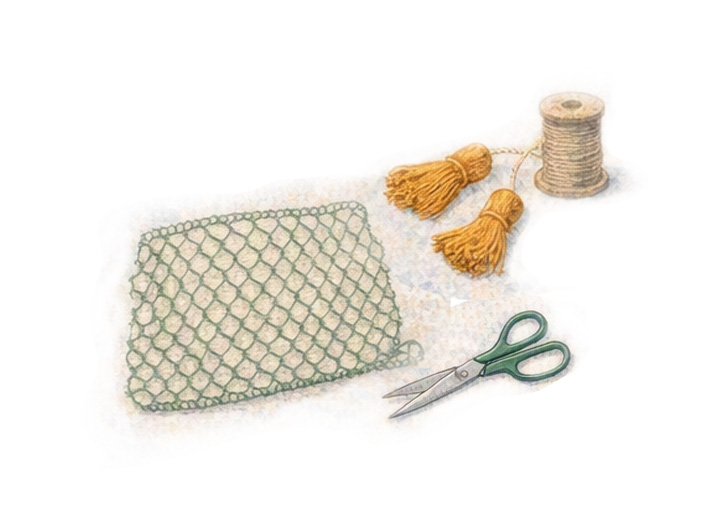
The base of the bag is made from a plastic mesh, similar to the one used for camouflage nets or available in hardware stores. It was shaped and fixed with plastic ties to create the structure of the bag.
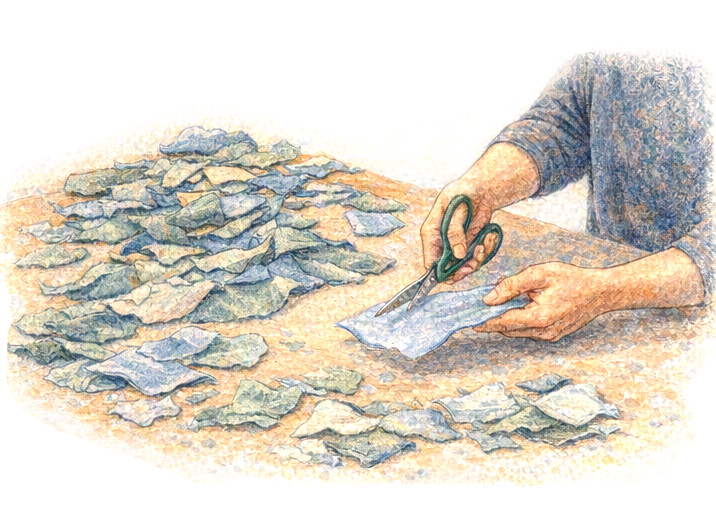
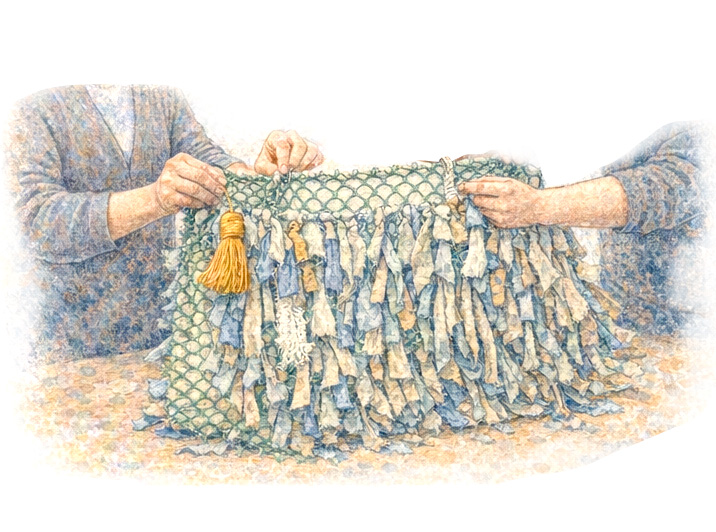
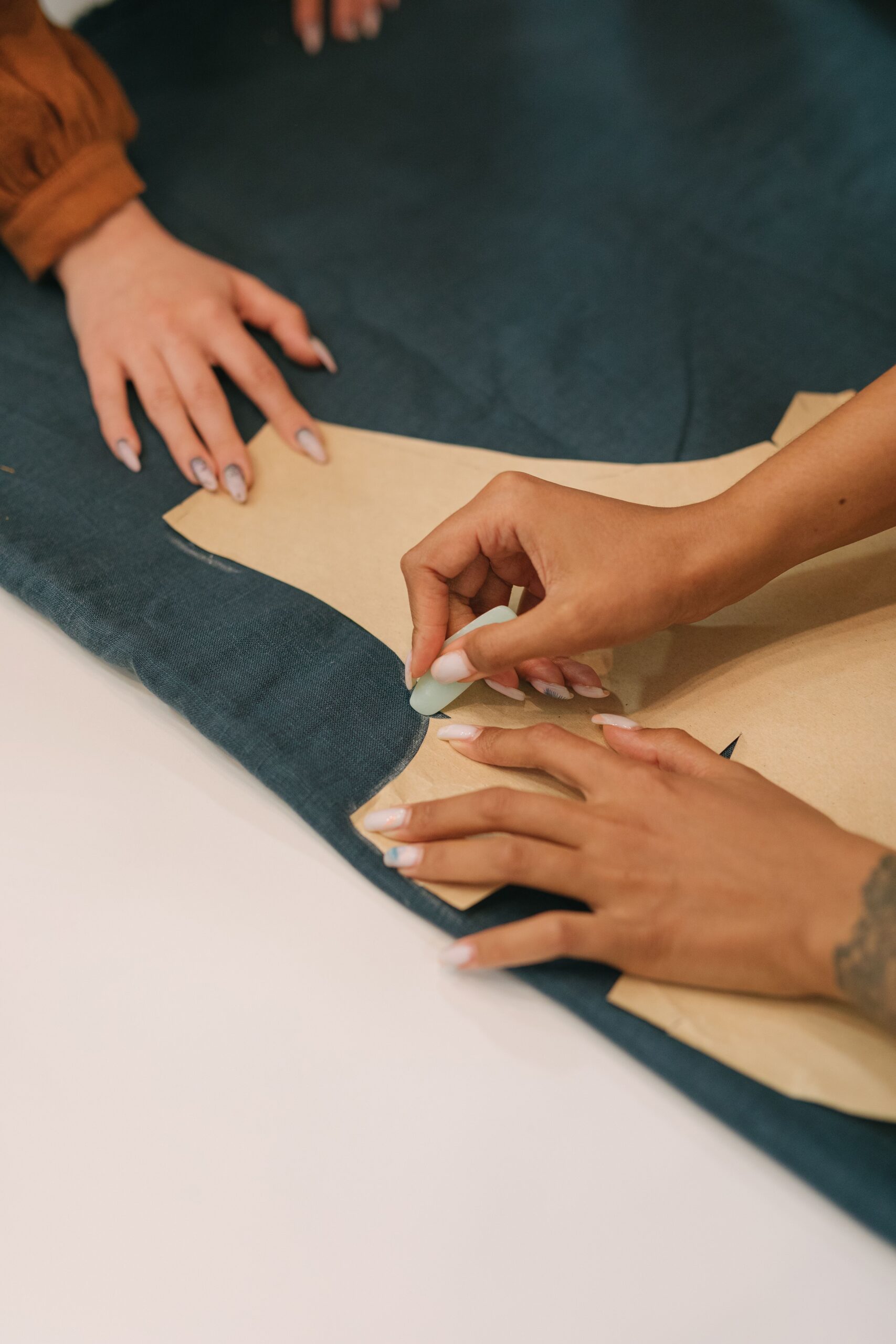
Pieces of fabric were then attached by hand. The materials include new fabrics, reused textile leftovers, and parts of military uniforms. Some fabrics were cut, others were torn by hand to create a more natural texture.
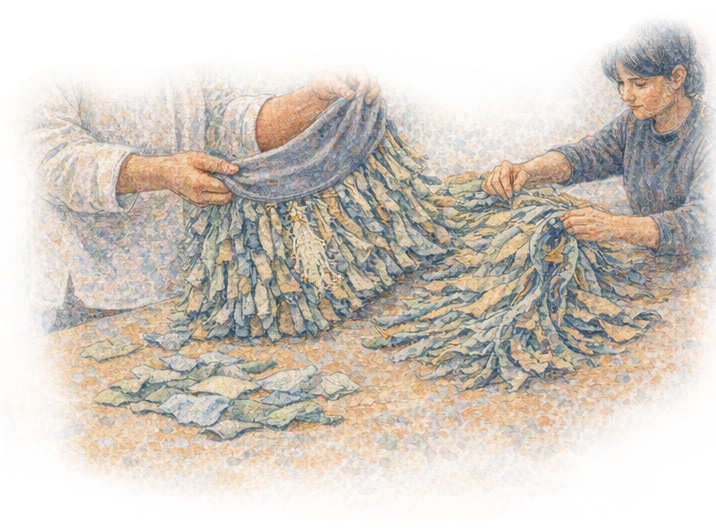
Each element was added manually, layer by layer, creating a rich and tactile surface. An important part of the process was also the interaction between people — working together, sharing conversations and experiences that became part of the object. The bag has a deliberately exaggerated form, so it can be seen not only as a functional item but also as an art object.
Our Team
The whole is much more than the sum of it’s part. Meet our team!
Users Participating in the project
Yevheniia and her daughter Sasha

Yarina Stoliar
SUPERVISOR
Yaryna Stoliar is a designer from Ukraine and the founder of a modern embroidered clothing brand. In her work, she reinterprets traditional Ukrainian clothing in a contemporary way. She combines original designs, machine embroidery, and cultural references. Her inspiration often comes from Ukrainian literature, history, and heritage, which she transforms into visual forms. For her, design is a way of self-expression, rethinking tradition, and creating something new. Alongside her brand, she also works with different social groups, involving people in creative processes.


With the support of the Creative Europe Programme of the European Union
Funded by the European Union. Views and opinions expressed are however those of the author(s) only and do not necessarily reflect those of the European Union or the European Education and Culture Executive Agency (EACEA). Neither the European Union nor EACEA can be held responsible for them.